
Your Diabetic Eye Exam in Owatonna: Preparing for a Closer Look at Retinal Health
Your Diabetic Eye Exam in Owatonna: Preparing for a Closer Look at Retinal Health
You can still read the smallest line on an eye chart while diabetes is affecting the blood vessels in your retina. The retina is the light-sensitive tissue at the back of your eye, and early damage to those vessels, called diabetic retinopathy, often has no symptoms. During a diabetic eye exam at our Owatonna office, we can spot changes you might never notice at home.
What to Bring to Your Appointment
Before your visit, gather a few details about your diabetes and your vision. A note on your phone works well for anything you want to remember.
Your most recent A1C result and the date it was checked, if available
A list of your medications and eye drops, including recent changes
Your current glasses and any records from a previous retinal exam or treatment
Notes about changes in your vision, including when you first noticed them and whether they affect one or both eyes
Bring sunglasses and arrange a ride home. The drops we use to widen your pupils can make sunlight feel brighter and close-up print look blurry for a few hours. If your work involves reading small print or using a screen, plan those tasks for later in the day.
What We Look for During the Exam
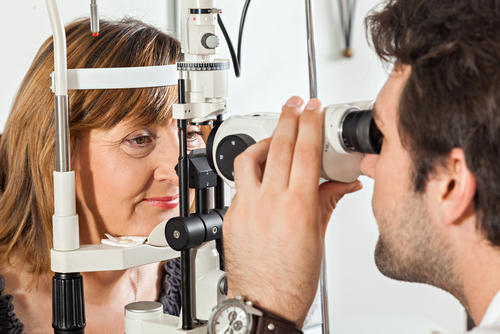
First, we check how clearly each eye sees. Once your pupils widen, we use a light and a magnifying lens to examine the retina. We look for tiny spots of bleeding and for swelling near the macula, the part of the retina you rely on to read and recognize faces.
We may also take retinal photographs. These give us a record to compare with future exams, so we can show you where a change has appeared or whether a spot we saw at your last visit looks the same.
When to Schedule Your Next Visit
Before you leave, we’ll explain what we saw and when we’d like to see you again. Many people with diabetes need a dilated eye exam once a year. If we find bleeding or swelling, we may recommend an earlier follow-up or a visit with a retina specialist.
To schedule your diabetic eye exam, call our team at Horizon EyeCare Professionals in Owatonna, MN, at (507) 451-3072.
Quick Links
Helpful Articles
All Eye Care Services
Find personalized eye care excellence with our comprehensive services. From eye exams to advanced diagnostics, trust us for all your vision needs.

Keep In Touch
For non-urgent questions or to learn more about our services, contact us today!
© 2026 Horizon EyeCare Professionals. All rights Reserved - Accessibility Statement - Privacy Policy - Sitemap
Managed and Designed by 